
Get Life Coverage Options on Your Own Lead Time in Hornsby Bend, TX
Answer a few short questions through our short form, and a licensed agent who serves Hornsby Bend, Manor and Pflugerville follows up with term life and whole life options. Pricing and the application are explained here first, so the choice you make tracks your budget instead of a deadline.
- No cost to you
- Nothing to buy unless you choose
- Two minutes to begin
- Term and whole life
Coverage options for Hornsby Bend families
Answer six short questions and a licensed agent will follow up with options that fit your situation.
- Takes about two minutes
- No obligation to buy
- Your details stay private
Free, no obligation
See your coverage options
Six short questions. About two minutes.
Two Kinds of Policy, Explained Before You Choose
Term life covers a set number of years, commonly 10, 20 or 30, picked when you apply. If the insured person dies within those years the beneficiary is paid; once they run out, the coverage ends with no payout. Whole life has no end date while premiums are paid, and part of each premium builds cash value, a policy feature the agent can explain. Since term protects only a window of years, it usually costs less than whole life for the same amount, which is priced to last a lifetime, and the Term Life Insurance and Whole Life Insurance pages go deeper on each.
Term Life Insurance
Coverage for a set number of years, matched to a mortgage, children at home or the working years your family relies on.
Whole Life Insurance
Coverage meant to last for life and build cash value, explained part by part, with the questions worth asking an agent before you choose.

What Starting Here Looks Like
Our role is narrow: to take you from meaning to look into it someday to an actual conversation, with enough lead time that no step feels rushed.
Reading comes before answering
How term and whole life work, what pushes a premium up and what an application asks for are all written out before you share a single detail. When options come up later, you already know the points you want to raise.
Room to plan is part of it
Beginning months ahead of a mortgage closing, a new baby or a job change gives you time to compare options, read a policy line by line and fit the premium into a monthly budget deliberately. Nothing here assumes a decision this week.
Your decision, not ours
We do not recommend a policy, rank insurers or steer you toward an amount. Options are set out for you to weigh, and what you buy is your call.
Details given once
You enter your information a single time through our short form, and it goes toward finding options that fit it. There is no retelling your situation at every turn.
Where We Connect People
We serve Hornsby Bend and nearby communities including Manor, Wyldwood, Cedar Creek, Pflugerville, Wells Branch, Elgin, West Lake Hills, Shady Hollow and Barton Creek. You start with a few answers from wherever you are, so there is no office to visit and no trip to plan.
- Hornsby Bend
- Manor
- Wyldwood
- Cedar Creek
- West Lake Hills
- Pflugerville
- Wells Branch
- Elgin
- Shady Hollow
- Barton Creek
The questions, the price factors and the way applying works are the same in every town on the list.
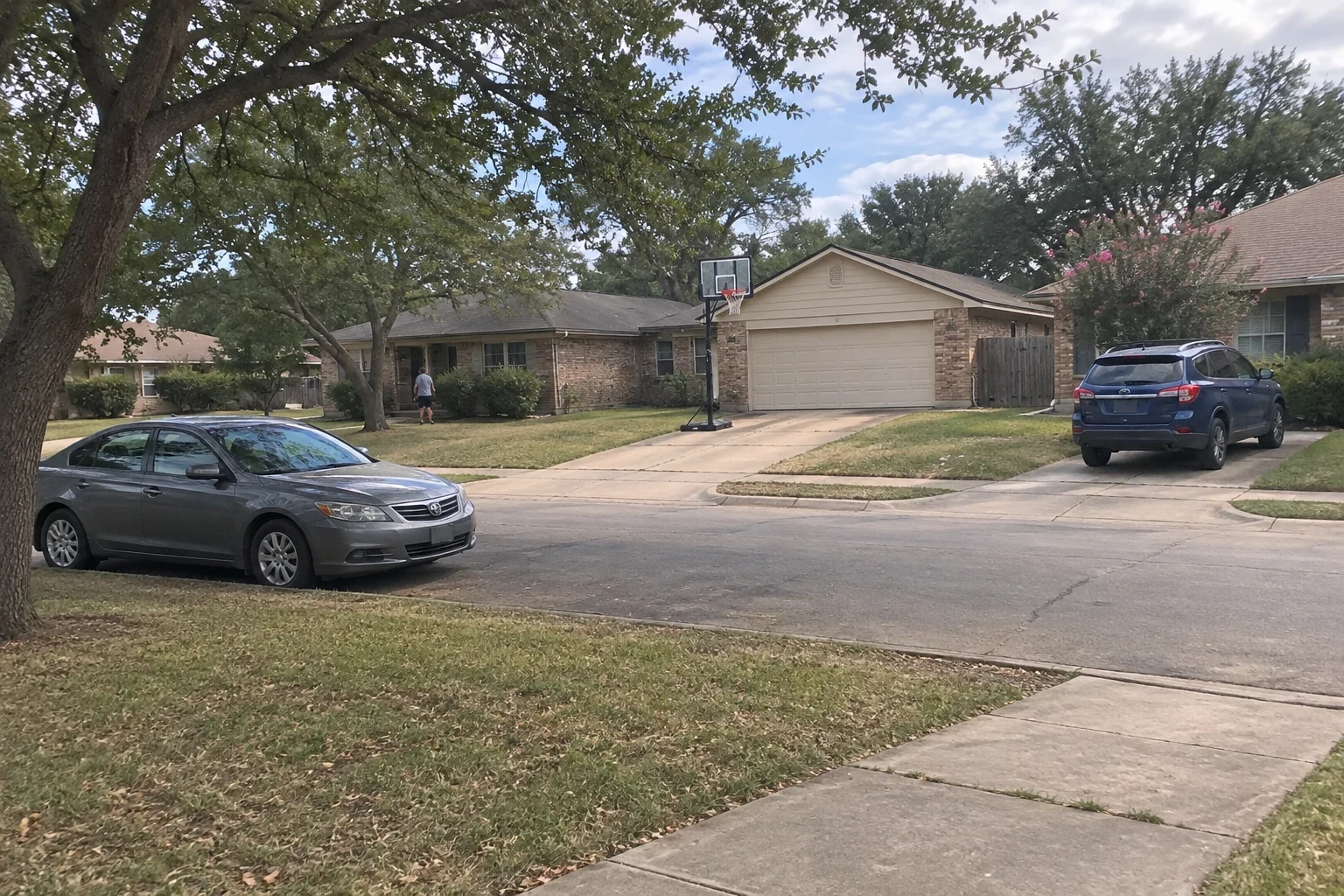
What Moves the Price of a Policy
An insurer prices a policy by weighing two things: the chance it pays a claim during the covered years, and the size of that claim. Six inputs account for most of that judgment. Knowing them ahead of time lets you set aside a realistic amount in your budget instead of guessing.
No price appears on these pages, because none exists until an application has been reviewed. The insurance company sets the premium, and when options reach you, each factor above is part of it.
- Age at application
- Measured risk rises a little with each birthday, and the insurer uses your age on the date you apply. That is why the same policy generally costs more the longer it is put off.
- Health
- Your answers to the health questions, along with any exam results, place you in a rating class. A condition that is documented and under control is treated differently from one that is not, so complete, accurate answers matter.
- Tobacco use
- Cigarettes, vaping and other nicotine products usually put an applicant in a higher-priced class, because they raise the risk the insurer measures. The application asks about this directly.
- The amount
- A larger amount means a larger possible claim, so the premium climbs with it. Many people set the amount by the bills it should pay rather than picking a round number.
- Length of the term
- For term life, a 30-year term stretches into later, higher-risk years that a 10-year term never reaches, so its level premium is usually higher. The length also sets the date the coverage ends.
- Kind of policy
- Whole life is built to last your entire life and carries cash value, which puts its premium above term life at the same amount. That gap pays for permanence; it does not make one kind right for everyone.
From First Answers to a Policy in Hand
This is the usual path once you begin with us. How long each stage runs depends on the policy and how much the insurer needs to review.
- 1
Fill in the basics
our short form covers your date of birth, the state you live in, whether you are married, the coverage amount you are considering and the person you would name as beneficiary, along with how to reach you. It takes about two minutes, at any hour that suits you.
- 2
Talk options through
The agent who contacts you works in your part of Texas and goes over the options with you. Rough figures for income, debts and any group coverage from work keep that conversation grounded.
- 3
Apply and answer health questions
If you go ahead, the application asks about your health, habits and medical history, and some policies also call for an exam. Every application is decided by the insurance company. No-exam policies exist, though they usually cost more or cover less.
- 4
Check the policy when it arrives
Compare the names, dates of birth, amount, term and beneficiary with what you supplied. Store it where your family can find it, and let your beneficiaries know it exists.
Questions People Ask Before They Start
How much coverage do people usually look at?
One common rule of thumb takes several years of income and adds what is still owed on debts like a mortgage. Here is an example only, using Census figures for Hornsby Bend (American Community Survey, 2023): the median household income is $88,317, the median home value is $279,000, and owners occupy 78% of homes. Someone near those medians could take several years of that income, add the remaining mortgage balance, and treat the total as a starting figure. That is a rule of thumb to think with, not advice for your own case.
Why look at coverage before it feels urgent?
The price rests on your age and health on the day you apply, and either can change. Starting early also lets you build the premium into your budget on purpose. People commonly buy coverage to replace income, pay off a mortgage, fund children's costs, handle funeral costs or leave money to family. Deciding which of these matters most to you makes the remaining choices simpler.
Will I need a medical exam?
Most applications include health questions, and some policies also require a medical exam. Whether one applies depends on the policy and the amount. Some policies need no exam at all, but they usually cost more or cover less, which is worth raising with the agent.
Is a life insurance payout taxed?
Under federal law, a payout to a named beneficiary is generally not taxed as income. Other taxes and unusual situations can come into play, so ask a tax adviser about your own circumstances.
Can I cancel a policy after it starts?
Yes. Every life policy comes with a free-look period of at least 10 days. Cancel within that window and your premium is refunded. The policy lists the exact number of days, so check for it when your documents arrive.
Who do people usually name as beneficiary?
Many people name a spouse, partner or other relative, and many add a contingent beneficiary in case the first cannot receive the money. The payout goes to whoever the policy names, so spellings should be right and names updated after a marriage, divorce or birth. The agent can explain how naming works on the policy you choose.
Do I have to buy anything if I start?
No. There is no obligation to buy. Sending your answers opens a conversation about options, and you can stop at any point.
What should I have ready before I start?
Rough numbers help: your yearly income, what remains on a mortgage or other loans, and any life coverage you already hold, such as a group policy through work. Knowing who you would name as beneficiary saves a step later. Nothing has to be exact to begin.

Who We Are
Life Insurance Hornsby Bend is a free service that connects you with a licensed life insurance agent in Texas. We are not an insurance company or an agent. Selling a policy, setting its price and issuing it all sit outside what we do.
Our part is the groundwork: written explanations of how coverage works, plus one simple first step. Once your answers are sent, a licensed agent follows up, any discussion of specific policies happens between the two of you, and any application is reviewed by an insurer.
The About page explains who receives your details after you send them and how they are used.
Start Planning Coverage on Your Own Schedule
A few answers now give you time to compare options, ask questions and fit a premium into your budget before any deadline sets the pace.